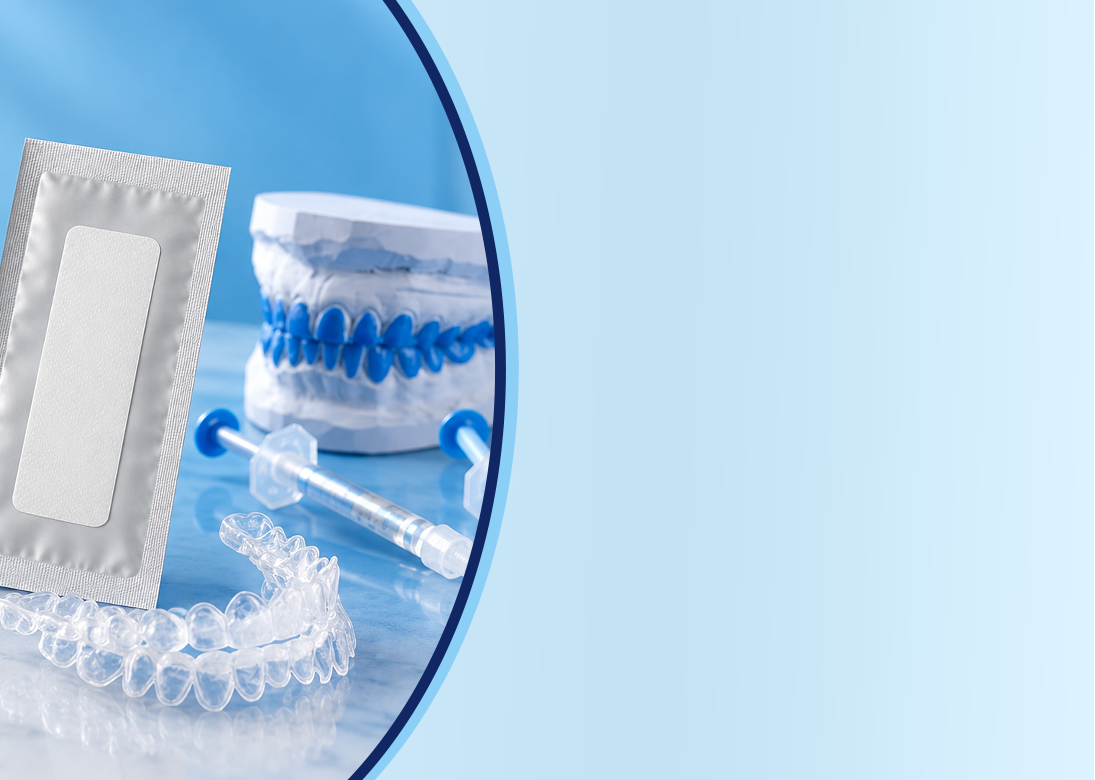
Professional whitening trays vs strips can both brighten teeth, but they differ in fit, sensitivity, coverage, cost, and support. Custom trays offer more control, while strips may suit mild stains and smaller budgets.
Parents considering whitening for an older teen can ask Dr. Lisa whether whitening is suitable now or whether cleaning and stain control should come first.
Neither option is automatically unsafe. Custom trays fit your teeth, helping keep gel where it belongs. Strips use a standard shape, so they may fold onto the gums or miss curved areas.
The American Dental Association’s teeth whitening guidance explains that temporary sensitivity can occur and overuse may harm teeth or gums.
Professional trays are created from a scan or mold. You add a measured amount of gel and follow a personal wear plan. The trays are reusable for later touch-ups.
Smiles of Bulverde provides at-home teeth whitening with custom-fit trays rather than a one-size product.
Whitening strips are flexible pieces coated with gel. They press against the front teeth for a set time. They cost less initially, but each box provides a limited treatment course.
A custom tray follows the curves of your smile, helping spread gel evenly and limit gum contact. Strips mainly cover flatter front surfaces. On crowded or rotated teeth, they may overlap the gums while missing other areas.
Both options can cause short-term sensitivity. Risk increases when you use too much gel, extend the wear time, or repeat treatment too often.
Leaving a 30-minute strip on for an hour may increase discomfort without improving the result. Stop if pain is strong, throbbing, or continues after whitening is paused.
Trays reach tooth edges and slightly uneven areas. Strips may brighten the center more than the sides, creating patchy color that becomes noticeable in close-up photos.
Strips may help mild stains from coffee, tea, soda, or food. Professional trays may suit darker, older, or uneven stains because gel reaches more tooth surfaces.
Neither method guarantees an exact shade. Natural color, stain type, and daily habits affect the outcome.
Changes may appear within days, but a full at-home plan takes time. Coffee, tea, tobacco, and dark sauces can shorten results.
Reusable trays simplify touch-ups. Regular cleaning and hygiene visits also remove buildup that whitening gel cannot fix.
The at-home teeth whitening cost is higher for custom trays than one box of strips. However, the fee may include a tooth and gum check, tray creation, gel, wear instructions, and support if sensitivity develops.
Strips cost less upfront, but repeat boxes increase long-term spending.
At an at-home teeth whitening appointment, a scan or mold is taken before you receive your trays and directions. The check can also uncover pain, sore gums, or tooth damage that should be handled first.
Choose trays for more even coverage, crowded teeth, a planned result before an event, reusable touch-ups, or support with sensitivity. People searching for professional whitening trays vs strips near me may also value asking questions before starting.
Strips may be enough when staining is mild, front teeth are fairly straight, budget is limited, and you want a modest change. Use a trusted product and follow its wear time exactly.
Ask for guidance if you have tooth pain, bleeding gums, fillings, crowns, veneers, or bonding. Whitening changes natural teeth but not these materials, so a color difference may appear.
Dr. Lisa helps parents understand why a child’s or teen’s tooth color may look uneven and whether whitening should wait. Adults with existing dental work can discuss shade matching through cosmetic dentistry.
Follow the stated wear time.
1. Never combine strips, trays, pens, or whitening rinses.
2. Use only the recommended amount of gel.
3. Wipe gel away from the gums.
4. Space out sessions if sensitivity starts.
5. Never whiten a painful tooth.
6. Avoid treatment beyond the recommended course.
7. Ask about crowns, fillings, or veneers first.
8. These steps apply to store products and professional at-home teeth whitening in San Antonio.
People comparing professional whitening trays vs strips in Bulverde, TX can use an appointment to discuss results, sensitivity, timing, and cost.
An at-home teeth whitening San Antonio plan offers gradual whitening with professional guidance. For quicker changes, learn how in-office teeth whitening differs from trays and strips.
Professional trays offer better fit, wider coverage, reusable value, and personal guidance. Strips remain reasonable for mild front-tooth stains when used correctly.
Choose based on sensitivity, existing dental work, budget, and expected results. When unsure, schedule a whitening check instead of testing several products yourself.
Smiles of Bulverde offers at-home whitening plans for adults seeking controlled, convenient results near Bulverde and North San Antonio. The team explains fit, wear time, sensitivity, and realistic costs. Dr. Lisa also helps parents understand when whitening is unsuitable for children or teens and which safer next steps deserve consideration.

Remove the tray or strip, rinse your mouth, and pause treatment. Do not shorten the break by using another whitening product. Seek guidance when pain is severe, affects one tooth, or continues after whitening stops.
Custom trays may be worth the higher starting cost when you want reusable trays, even coverage, guided wear time, and easier touch-ups. Strips can remain practical for mild stains and a smaller one-time budget.
Whitening gel changes natural tooth color but does not brighten fillings, crowns, veneers, or bonding. Existing work may look darker afterward, especially on front teeth, so discuss shade matching before you begin.
Yes. Strips may not fully touch curved, crowded, or rotated teeth, so the center can whiten more than the edges. Pressing them carefully helps, but custom trays usually provide more complete and even coverage.
Custom trays can limit gel contact with the gums and allow a more personal wear plan. They may be easier to adjust if sensitivity starts, but discomfort can still occur. Stop use and ask for guidance if pain is strong or lasts.

